Pages

Thursday, 21 December 2017

SLJ Day 4( Hitting a High Note)

Day 4: Hitting a High Note


Activity 1: The Waiata - A Song in Your Heart


In the past, Māori would often use song as a way
of sharing information or communicating emotions.  
A waiata is the name given to a traditional Māori song.
One of Rachel’s all time favourite waiata is Kia Paimarie.
What about you?


Use Google to research traditional Māori Waiata.
Listen to a number of Waiata and read the lyrics.
On your blog tell us which one of the waiata you found
you like the most. Why do you like it?

My favourite waita was Whakaaria Mai.
It is a beautiful song and in english
It is called How Great Thou Art.
Whakaaria Mai is a hymn.

We always sing it in
school and everytime we
sing it the waiata makes
us very happy.
Activity 2: Playing Games:
Hundreds of years ago, young Māori children were
taught to play a number of games, including Poi Rakau,
Ki O Rahi, Koruru Taonga and Poi Toa. Read about each
of these four games on the Rangatahi tu Rangatira
website. Have you played any of them before?
Isn’t it cool how the games have been passed down
for generations?

Choose one game, and on your blog, tell us the (i) name
of the game, (ii) the goal or purpose of the game, and (iii)

two rules.

The game I have chosen is
Ki O Rahi. The purpose of this
Game is to out score the opposition team
by touching Poe with their
Ki.
A ki is the ball that you’re
Playing with. Poe are
tall boxes that you have to touch
Before you get points.

Here are two rules of
Ki o rahi.
  1. If Kioma scores then the play restarts with a kick off
from Te Marama.
2. Players who have possession of the ball must be
moving or they have 3 to 5 seconds to pass or shot or
hand the ball over.


Bonus Activity:Musical Festivals – Matatini


In New Zealand, a huge festival is held every two years,
called Te Matatini. This performing arts festival celebrates
the tikanga (culture or customs) of Māori. Kapa Haka
groups from around New Zealand are invited to attend
the festival and each group gives a 25-minute
performance. The performances are judged and the
best teams win prizes.

The gold medal winning team from this year (2017) was
Te Kapa Haka o Whāngārā Mai Tawhiti
Watch these three clips from previous Te Matatini festivals.

Te Iti Kahurangi

Te Puku o Te Ika


On your blog, rank the performances from your favourite
(#1) to least favourite (#3) and tell us why you gave them
the ranking that you did.

This was my rankings.

Te Puku o Te Ika was my
favourite because it was calming
and they sang really nicely.

Te Iti Kahurangi was really great as
Well. I liked how they sang really
Loud.

Tamatea Arikinui was great
They sang loud and proud.

Thanks for reading Day 4 of the Summer learning journey.

Wednesday, 20 December 2017

SLJ Day 3: It's All in the family

SLJ Day 3: It’s All in the family.


Activity 1: The More, the Merrier?
This is what we have to do:
In the 1800s, most families were pretty big.
In fact, many parents had an average of
seven to nine children.  Imagine that you were a child
in the 1800s and you had nine siblings.

On your blog, please tell us how you would feel.
Would you enjoy being a member of such a large
family? Why or why not?

I would be happy to have a
Very big family because if
I was an only child I
Would be very lonely and
have no one to play with.
But if I was in a very
big family I would be
able to play with
people and have some fun.


Activity 2: Acknowledging Ancestry
This is what we have to do:

All of us are members of a family. Some of us
have large families and some of us have very
small families. When I have the opportunity to talk
about my family and my ancestry I sometimes choose
to use a pepeha. It is a very special way of identifying
who I am and where I come from. There are many
different versions of pepeha but most provide people
with information about who you are and where you
come from (i.e. your whakapapa). Use the template
provided below to prepare your own unique pepeha.
If you need help please watch this short movie clip
on preparing a pepeha.

This is my Pepeha. I will be doing a different kind of
Pepeha. I got permission from Rachel.


E te mauri mai tāwhiti
E te whare, te papa, te kainga noho, tēnā koutou
Ki ngā anahera, kua rere hei taki, hei tuara mo te hunga
ora, haere
Ki a tātou, he mihi nui
Ko Maungarei te maunga
Ko Te Wai o Taiki te awa
Ko Ukutoia te papa
Tēnā koutou
Ko  Fisilau tōku pāpā, nō Tonga ia
Ko  Wini tōku māmā, nō Fiji ia
Ko Levonah  tōku ingoa
Ko  Panmure tōku kainga noho
Tekau ōku tau
Nōreira
E ngā tauira, kaiako, he mihi nui, he mihi aroha

Anei he kōrero a te kura, “Whaiā kia eke”
Nōreira tēnā koutou, tena koutou, tena koutou katoa

Bonus Activity: Fun Family Facts:

Everyone’s family is unique. What makes your family
special? Choose three people close to you and ask them
what their two favourite things to do in summer are.

On your blog, write two fun facts about each person.

These are my three people.
  1. My mum
  2. My Brother Mitchell
  3. My Sister Leonora- Grace

In summer my mums
two favourite things
to do in summer are
go camping and
going to the beach.

Mitchell’s favourite things to
do in summer is to go
Swimming as well
And going to
Places like
The night markets
And the museum.

Finally Leonora- Grace
her two favourite
things to do in summer
is to go Ice - Skating and
to go swimming at the pools.

Tuesday, 19 December 2017

Summer learning journey day 2 ( It's all in a Day's work)

Day 2: It’s All in a Day’s Work


Activity 1: A House or a Home?
This is what we have to do.

In the 1800s, most Māori lived in villages called pa.
Each village had many buildings – kauta where people
cooked, pataka where they stored goods and


wharepuni where the Māori slept. A traditional wharepuni
had a thatched roof and walls made of timber, fern,
rushes and bark. Look at the picture below of a

traditional wharepuni. Does it look like your house?
On your blog, compare the wharepuni to your own home.


What are two similarities and two differences between a
wharepuni and your house?
The similarities between my house and the wharepuni.
Here is the link to my Similarities between my house
and the wharepuni.


Activity 2: The Rules of Engagement
This is what we have to do

During the early years in New Zealand, men and
women would often marry at a young age. Women
were expected to have babies and remain in the home


caring for their children. Few, if any, left home in search
of work. Men, on the other hand, were expected to work
outside of the home.
These days, we don’t have the same strict expectations
about work. Girls and boys can choose their own path
in life.

What is your dream job? Draw a picture of yourself
doing your dream job and post it on your blog. You
could be a doctor, an actor or even a zookeeper!
Here is my picture of myself. My dream job would
Be to play rugby for the black ferns.

Bonus Activity: Special Meals
This is what we have to do.
Back in the 1800s, most Māori ate a simple diet.
They ate foods that they could catch in the water
(eg. fish) or grow on the land (eg. kumara). They did
not have access to a supermarket to buy food for their
meals! Speaking of meals, what is your favourite meal?
On your blog, post a picture of your favourite meal.
Be sure to tell us what it is and why it is your favourite.
You could also include the recipe if you have it so that
we can all try it!
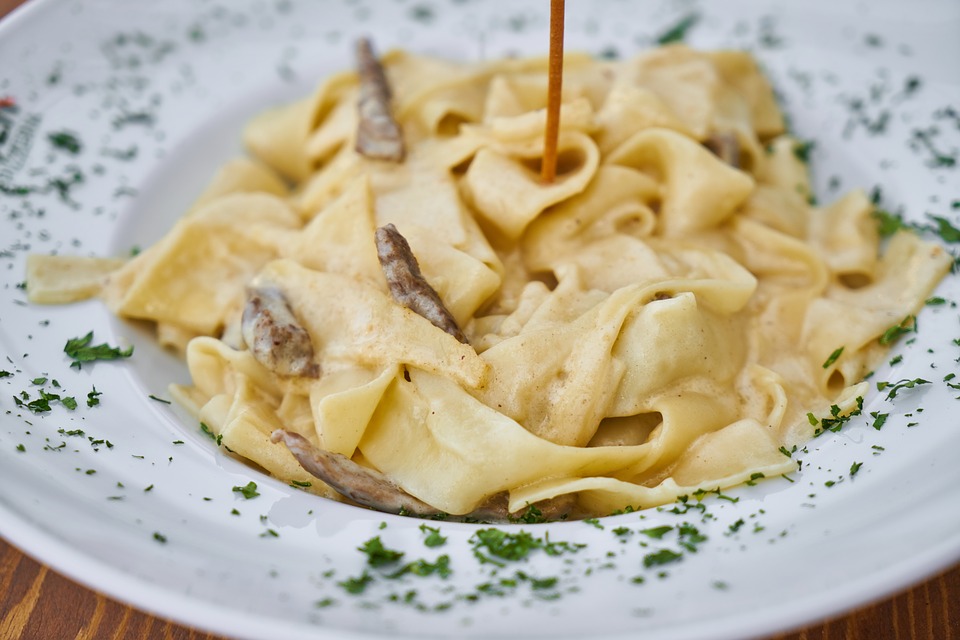
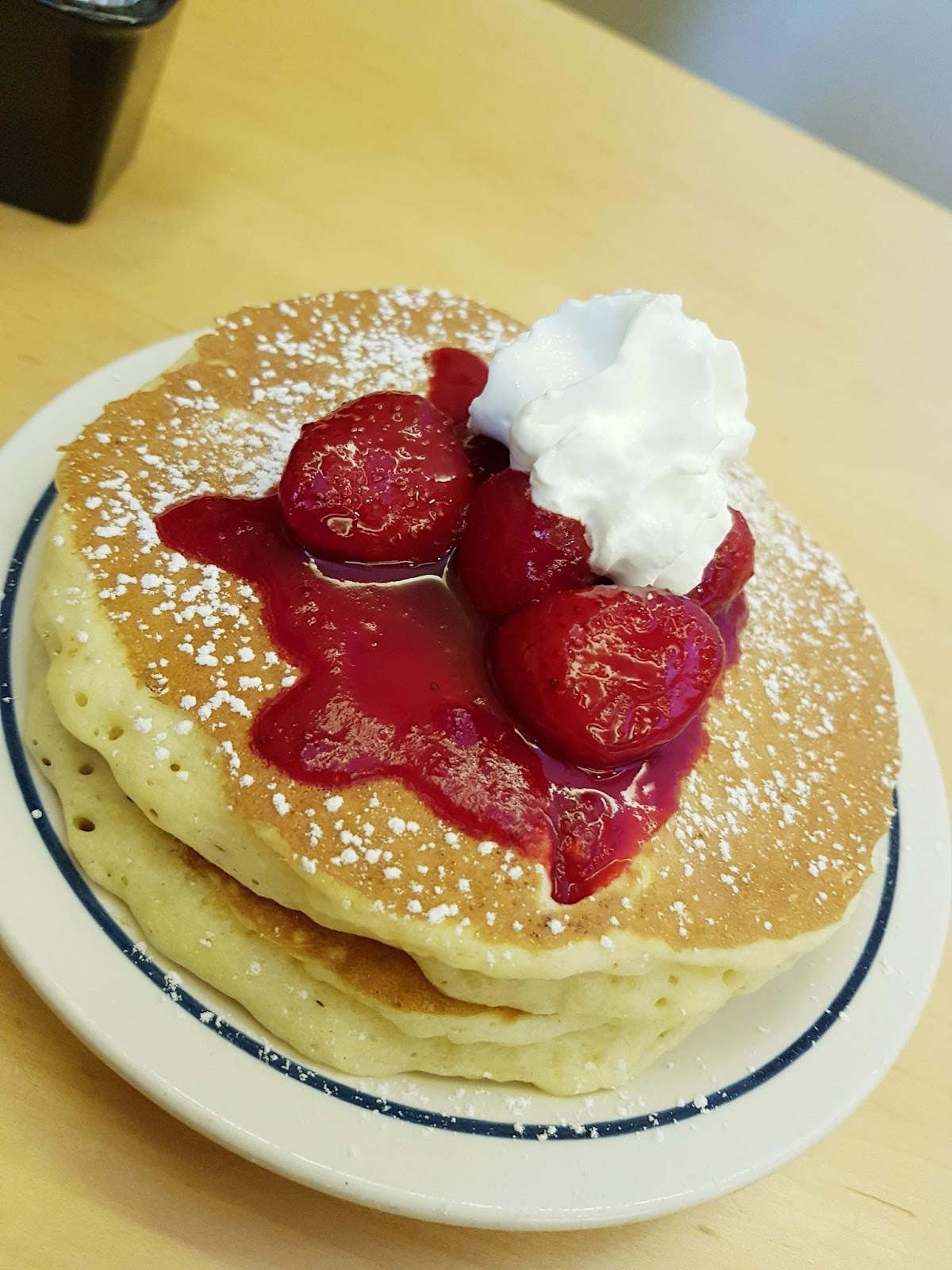
I have two favourite foods.
  1. Homemade chicken fettuccine
  2. Pancakes with whipped cream
And maple syrup.

The reason why I love chicken fettuccine
So much is because I love the pasta and
Chicken together including the sour cream.
When I eat chicken fettuccine it makes me
Want to eat it the night after and after.

I love pancakes so much because it is a
Really nice breakfast. It is also so nice
When you have it with whipped
Cream, strawberries and maple syrup.